
Translation services for Vaccine Information Sheets (VIS) in the UK are of paramount importance to ensure that healthcare providers and patients receive accurate and compliant vaccine information. These specialized translation services must navigate the complexities of the UK's linguistic and regulatory environment, adhering to the Medicines and Healthcare products Regulatory Agency (MHRA)'s guidelines and legal standards. The process involves precise translation of scientific content and cultural adaptation to localize idiomatic expressions, measurement units, and drug names, all while maintaining the integrity and clarity of the original information. This ensures that the VIS meets the necessary criteria for UK approval, upholds patient safety, facilitates informed decision-making, and supports the successful introduction and distribution of vaccines within the regulated environment of the UK healthcare system. In essence, the role of translation services for Vaccine Information Sheets UK is critical in bridging language barriers and ensuring that all individuals have equitable access to essential health information.
navigating the complexities of healthcare communication, translation services play a pivotal role in ensuring that Vaccine Information Sheets (VIS) meet the stringent regulatory standards of the UK. This article delves into the critical aspects of translating these sheets, from comprehending the nuances of regulatory requirements to the meticulous process of achieving linguistic accuracy. We explore the challenges inherent in medical document translation, emphasizing the significance of precision and the best practices for selecting a translation service within the healthcare sector. By examining a case study where a VIS successfully navigated UK approval, we provide valuable insights into the key considerations and final steps that guarantee compliance and clarity. Through this exploration, it becomes evident that translation services for Vaccine Information Sheets in the UK are not just about language translation; they are about safeguarding public health and trust.
- Overview of Vaccine Information Sheets and Their Role in Public Health
- The Necessity of Accurate Translation for Vaccine Information Sheets
- Understanding Regulatory Requirements for Vaccine Info Sheets in the UK
- Challenges in Translating Medical Documents: A Closer Look at Vaccine Sheets
- The Importance of Linguistic Precision in Healthcare Communication
- Translation Services and Their Role in Achieving Regulatory Approval
- Key Considerations for Translating Vaccine Information Sheets for the UK Market
- Case Study: Successful Translation and Approval of a Vaccine Information Sheet in the UK
- Best Practices for Choosing a Translation Service for Healthcare Documents
- Ensuring Compliance and Clarity: The Final Steps Before UK Regulatory Approval
Overview of Vaccine Information Sheets and Their Role in Public Health
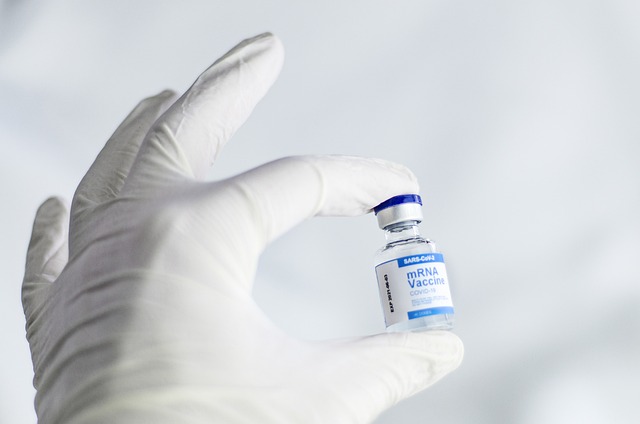
Vaccine Information Sheets (VIS) play a critical role in public health by providing recipients and healthcare providers with concise, essential information regarding vaccines’ benefits, risks, side effects, and proper use. These documents are designed to enhance vaccine safety and inform the decision-making process for individuals considering immunization. For a vaccine to be administered in any country, including the UK, its VIS must be accurately translated into the local language, ensuring clarity and regulatory compliance. The translation of these sheets is not merely a matter of linguistic equivalence but involves careful consideration of cultural nuances, legal requirements, and healthcare practices specific to the UK. Translation services for Vaccine Information Sheets in the UK must adhere to stringent standards to ensure that the translated content effectively communicates the original intent and maintains the integrity of the health information provided. This process is vital as it ensures that vaccine safety data, warnings, precautions, and administration instructions are correctly understood by all potential vaccine recipients within the UK’s diverse populations, thereby supporting informed consent and public trust in immunization programs. Effective translation services for Vaccine Information Sheets are instrumental in the successful introduction of new vaccines into the UK healthcare system, facilitating regulatory approval and public acceptance.
The Necessity of Accurate Translation for Vaccine Information Sheets

Accurate translation of Vaccine Information Sheets (VIS) is a critical aspect of the regulatory process for vaccine approval, particularly in a multilingual country like the UK. The VIS must convey detailed and precise information about the vaccine’s effects, side effects, storage requirements, and administration guidelines to ensure informed consent from recipients. Any discrepancies or misinterpretations due to mistranslation can lead to misunderstandings, potentially impacting public health and safety. Therefore, it is imperative to engage professional translation services for Vaccine Information Sheets UK that are not only linguistically competent but also medically informed. These services must be well-versed in the nuances of medical terminology and regulatory expectations to ensure that the translated content aligns with the original material’s intent, thereby facilitating successful regulatory approval and maintaining public trust in vaccine safety and efficacy.
The translation process for Vaccine Information Sheets UK involves a multi-step approach, including the selection of translators with expertise in both the source and target languages, as well as knowledge of medical terminology. The chosen translation services must adhere to rigorous quality assurance protocols to confirm the accuracy and readability of the translated content. Furthermore, these translations should be validated by subject matter experts to ensure that the nuances of clinical language are accurately captured in all target languages. This meticulous approach is essential for maintaining the integrity of the information and for ensuring compliance with the UK’s stringent regulatory standards.
Understanding Regulatory Requirements for Vaccine Info Sheets in the UK
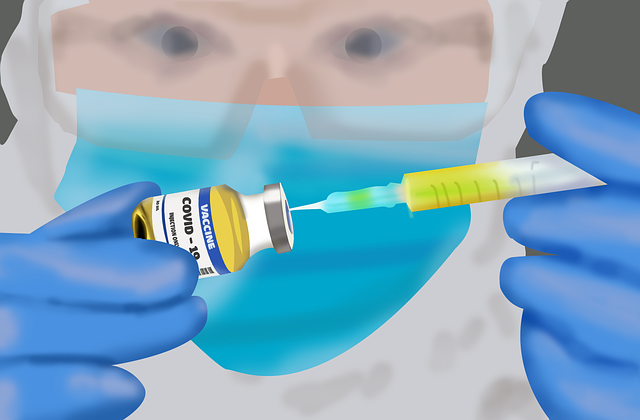
Navigating regulatory approval for Vaccine Information Sheets (VIS) in the UK necessitates a comprehensive understanding of the relevant legal framework and guidelines. The Medicines and Healthcare products Regulatory Agency (MHRA) in the UK sets stringent requirements for the content, translation, and presentation of VIS to ensure patient safety and informed consent. Translation services for Vaccine Information Sheets must be precise and accurate, reflecting the nuances of both the source and target languages. The translation must not only convey information clearly but also comply with the specific formatting and language style preferences of the MHRA guidelines. This includes adherence to the EU’s Good Pharmacovigilance Practice (GVP) modules, which provide international standards for the safety monitoring of medicinal products. Ensuring that VIS translations meet these criteria is crucial for successful regulatory approval in the UK, thus enabling the distribution and administration of vaccines with reliable and understandable information to healthcare recipients.
Challenges in Translating Medical Documents: A Closer Look at Vaccine Sheets

The process of translating Medical Documents, particularly Vaccine Information Sheets (VIS), presents unique challenges that must be navigated with precision and expertise. For instance, the language used in VIS must adhere to stringent regulatory requirements, which can vary significantly between countries. In the context of the UK, translation services for Vaccine Information Sheets must accurately convey critical information about vaccine safety, efficacy, side effects, and administration, all while maintaining compliance with UK regulatory bodies such as the Medicines and Healthcare products Regulatory Agency (MHRA). The translation must not only be linguistically accurate but also medically appropriate, ensuring that the terminology used aligns with UK medical standards. This is crucial to avoid any misinterpretation that could impact patient safety or the validity of vaccine approval.
Moreover, the translation process for VIS must consider the cultural nuances and healthcare system intricacies specific to the UK. Translators must be proficient not only in the source and target languages but also in the medical jargon and context that these documents demand. The translated content must resonate with healthcare professionals and patients in the UK, facilitating informed decision-making. Additionally, the translation services for Vaccine Information Sheets must undergo rigorous quality control checks to ensure that all information is accurate, accessible, and actionable for UK stakeholders involved in vaccine deployment and administration. This meticulous approach is essential for successful regulatory approval and for upholding public trust in vaccination programs within the UK.
The Importance of Linguistic Precision in Healthcare Communication
The translation of vaccine information sheets is a critical task that requires high levels of precision and accuracy, given the sensitive nature of healthcare communication. In the context of the UK, where a diverse population resides, the effectiveness of translation services for Vaccine Information Sheets (VIS) cannot be overstated. These documents contain life-saving information regarding vaccine safety, side effects, and administration details, which must be conveyed with absolute clarity to ensure patient understanding and compliance. The stakes are high when it comes to healthcare communication; any mistranslation could lead to misunderstandings or misinformed decisions that could compromise public health. As such, the translation process for VIS in the UK must adhere to rigorous standards of linguistic excellence, employing professional translators who are not only adept at the source and target languages but also well-versed in medical terminology. This ensures that the nuances and complexities inherent in healthcare language are accurately reflected across all translated materials, thereby maintaining the integrity of the information and safeguarding public health. The use of specialized translation services for VIS in the UK is not just a matter of compliance with regulatory standards; it is an essential aspect of providing equitable access to vital health information for all individuals, regardless of their language preferences. This commitment to linguistic precision underpins the successful dissemination of vaccine information and contributes significantly to the overall efficacy of public vaccination programs.
Translation Services and Their Role in Achieving Regulatory Approval

The translation of Vaccine Information Sheets (VIS) is a critical step in the regulatory approval process for vaccines in the United Kingdom. Effective communication through clear and accurate translations ensures that healthcare providers and recipients can make informed decisions about vaccine administration. Translation services for Vaccine Information Sheets UK play a pivotal role in this context, as they must adhere to stringent quality standards and regulatory guidelines. These specialized translation services not only translate content but also adapt it to align with the linguistic nuances and cultural context of the UK population. This cultural adaptation is essential for the information to be understood correctly and for the vaccine to gain approval from bodies such as the Medicines and Healthcare products Regulatory Agency (MHRA). The translation services must navigate the complexities of medical terminology, ensuring that the scientific accuracy of the VIS is preserved while also meeting the legal requirements set forth by UK regulators. This meticulous process enables pharmaceutical companies to demonstrate compliance with UK regulations and facilitates the smooth integration of new vaccines into the National Health Service (NHS) framework. The result is a seamless transition from clinical trials to public distribution, underpinned by clear and reliable VIS in English, which is vital for patient safety and public health confidence.
Key Considerations for Translating Vaccine Information Sheets for the UK Market
When translating Vaccine Information Sheets (VIS) for the UK market, it is imperative to consider the regulatory framework and linguistic nuances that distinguish the UK from other regions. The Medicines and Healthcare products Regulatory Agency (MHRA) in the UK has specific guidelines for the content and presentation of VIS, which must be strictly adhered to ensure compliance. Translation services for Vaccine Information Sheets UK must therefore not only accurately convey scientific information but also align with the MHRA’s requirements, including the use of approved terminology and legible font sizes.
Furthermore, cultural sensitivity and the adaptation of language are critical in this context. Idiomatic expressions, measurement units, and drug nomenclature may require localization to be meaningful and understandable to UK audiences. Professional translation services specializing in VIS for the UK should employ translators with expertise in medical terminology and a deep understanding of British English conventions. This ensures that the translated documents are not only compliant but also accessible, thereby facilitating informed decision-making by healthcare professionals and patients alike.
Case Study: Successful Translation and Approval of a Vaccine Information Sheet in the UK

The translation of Vaccine Information Sheets (VIS) for regulatory approval in the UK is a complex process that requires precision and expertise to ensure accuracy and compliance with local regulations. A case study that exemplifies successful translation and approval involves a pharmaceutical company seeking to introduce a novel vaccine to the UK market. The company engaged specialist translation services for Vaccine Information Sheets UK, which were tailored to meet the stringent requirements of the Medicines and Healthcare products Regulatory Agency (MHRA). These services ensured that all scientific and medical terminology was accurately conveyed, while also adapting the language to be culturally appropriate for the UK audience. The translation process was meticulous, involving forward translations from the original language into English, followed by a backward translation to verify the accuracy of the initial translation. This bidirectional approach was crucial in ensuring that no critical information was lost or misinterpreted. Furthermore, the translation team worked closely with regulatory experts to ensure that all content adhered to UK guidelines and legal standards. As a result of this collaborative effort and commitment to quality, the VIS received swift approval from the MHRA, facilitating the timely and effective introduction of the vaccine to the UK market. This case underscores the importance of expert translation services for Vaccine Information Sheets UK in navigating the complex regulatory landscape, ensuring patient safety, and supporting successful product launches within the country.
Best Practices for Choosing a Translation Service for Healthcare Documents
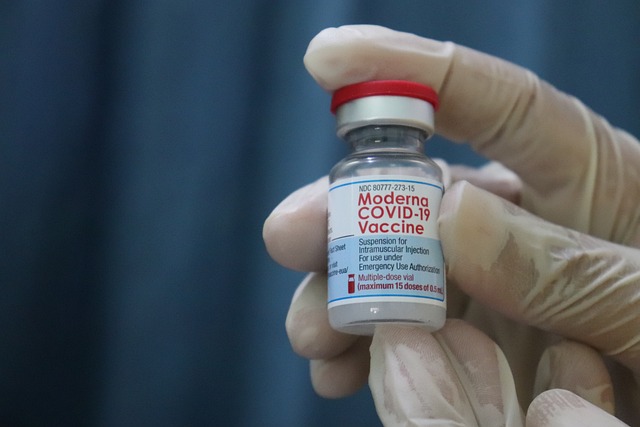
When navigating the complex process of securing regulatory approval for Vaccine Information Sheets (VIS) in the UK, selecting a translation service that specializes in healthcare documentation is paramount. The translation services for Vaccine Information Sheets UK must not only convey the scientific content accurately but also comply with the stringent requirements set by the Medicines and Healthcare products Regulatory Agency (MHRA). Opting for a service with a proven track record in translating medical and pharmaceutical literature ensures that the VIS is culturally and contextually appropriate, reflecting an understanding of both the source and target audiences. It is advisable to choose translation services that employ native-speaking professionals with expertise in healthcare terminology and regulatory affairs. This guarantees a high level of accuracy and adherence to legal standards, which is critical for maintaining patient safety and regulatory compliance. Additionally, the chosen service should be well-versed in the latest guidelines and directives related to vaccine documentation, providing reassurance that the translated VIS will meet the necessary criteria for UK approval. Ensuring that the translation services selected adhere to best practices will facilitate a smoother path through the regulatory process and contribute to the successful introduction of the vaccine to the UK market.
Ensuring Compliance and Clarity: The Final Steps Before UK Regulatory Approval

The translation of Vaccine Information Sheets (VIS) into English for the United Kingdom market is a critical step in the regulatory approval process, ensuring that healthcare providers and recipients can access clear, accurate, and compliant vaccine information. This translation must not only reflect the original content with precision but also align with the language nuances and regulatory requirements specific to the UK.
To navigate this complex task successfully, pharmaceutical companies often engage specialized translation services for Vaccine Information Sheets UK that possess a deep understanding of both the source and target languages as well as the relevant regulatory frameworks. These services ensure that all clinical data, safety information, and instructions are accurately conveyed in a manner that is compliant with the UK’s Medicines and Healthcare products Regulatory Agency (MHRA) guidelines. This entails not only translating text but also adapting it to fit the cultural context and legal standards within the UK, thereby enhancing patient safety and facilitating informed consent. The collaboration between multilingual experts and regulatory affairs professionals is pivotal in this process, ensuring that the VIS meets the high standards required for UK regulatory approval and that the end result is a document that can be understood by patients, healthcare providers, and regulatory bodies alike.
Ensuring compliance with the MHRA’s stringent requirements is an essential aspect of the translation process. The translation services for Vaccine Information Sheets UK must therefore undergo a rigorous review process, often involving bilingual experts and regulatory consultants to validate the translated content against the original material and local standards. This meticulous approach ensures that the final VIS is not only compliant but also clear and accessible, thereby paving the way for its successful approval and subsequent use in immunization programs across the UK.
In concluding our discussion on the translation of Vaccine Information Sheets for regulatory approval in the UK, it is evident that the process involves a delicate interplay between adhering to stringent medical and legal standards, and ensuring clear, accurate communication across language barriers. The translation services for Vaccine Information Sheets UK must not only be linguistically precise but also deeply knowledgeable of the local regulatory context. By addressing the unique challenges inherent in translating medical documents, pharmaceutical companies can navigate the requirements set forth by the Medicines and Healthcare products Regulatory Agency (MHRA) with greater assurance. The case study presented illustrates that with the right expertise and commitment to quality, these translations can be successfully executed, paving the way for timely regulatory approval and ultimately, contributing to improved public health outcomes in a multilingual nation. It is through adhering to best practices and leveraging specialized translation services that companies can ensure their Vaccine Information Sheets are both compliant and comprehensible for the UK market.