The translation of Vaccine Information Sheets (VIS) in the UK is a specialized task that requires expert linguists with medical knowledge to ensure accuracy and cultural sensitivity. Top-tier translation services for VIS UK must adhere to legal standards, use terminology aligned with health authority guidelines, and undergo rigorous review processes involving medical professionals and native speakers. These translations are crucial for clear, unambiguous communication that builds trust and enables individuals from diverse linguistic backgrounds to understand vaccine details. By employing advanced technology alongside human expertise, these services can provide precise and accessible information, enhancing transparency and empowering the UK population to make informed health decisions, which is essential for supporting public health initiatives and increasing confidence in vaccine programs across the country.
When public health campaigns hinge on clear communication, precise translation of vaccine information materials becomes paramount. In the UK, where cultural and linguistic diversity is the norm, expert translation services play a critical role in ensuring that vaccine information sheets (VIS) are not just accurate but also accessible to all communities. This article delves into the nuances of this process, highlighting the challenges and best practices involved in translating medical content for a broad audience. From legal and ethical considerations to step-by-step translation guides, we explore how professional translation services can enhance public trust and comprehension of vaccine information, thereby supporting robust public health outcomes.
- Understanding the Importance of Accurate Vaccine Translation
- The Role of Professional Translation Services in Public Health
- Key Components of Vaccine Information Sheets (VIS) in the UK
- Challenges in Translating Medical Content for a Diverse Audience
- The Legal and Ethical Considerations of Translating VIS Materials
- Selecting a Reliable Translation Services Provider for Healthcare Materials
- The Process of Translating Vaccine Information Sheets: A Step-by-Step Guide
- Case Study: Effective Translation of VIS in Multilingual Communities within the UK
- Best Practices for Translating Medical Documents to Enhance Public Trust and Comprehension
Understanding the Importance of Accurate Vaccine Translation
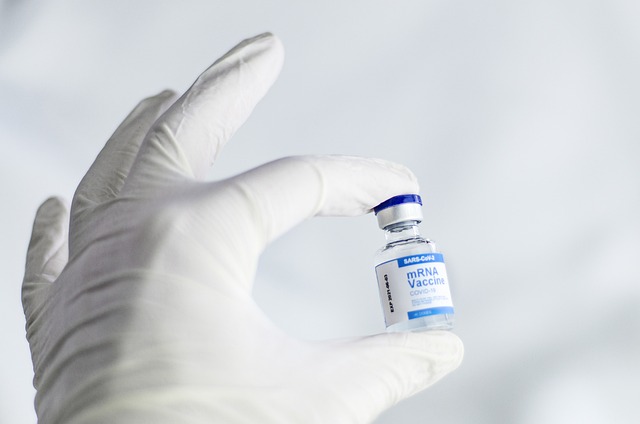
In the context of public health, accuracy in communication is paramount, especially when it involves translating vaccine information sheets for a diverse population. The UK’s commitment to equitable healthcare necessitates that all individuals, regardless of language proficiency, have access to clear and precise vaccine information. This is where professional translation services play a crucial role. These experts specialise in Vaccine Information Sheets (VIS) translation, ensuring that the content is not only linguistically accurate but also culturally relevant, thus maintaining the integrity of the original message. The precision of terminology used in medical translations is critical; any misinterpretation could lead to confusion or misunderstanding about vaccine efficacy, side effects, and administration procedures. Consequently, the choice of a reliable translation service is essential for VIS in the UK to foster trust and compliance among multilingual communities, ultimately supporting the nation’s public health goals.
Selecting a translation service with expertise in medical documentation and a deep understanding of the nuances of vaccine terminology is imperative. Such services are equipped with professional translators who are not only linguistically skilled but also medically informed. They adhere to the highest standards of accuracy, ensuring that every detail on the VIS is conveyed correctly across different languages. This meticulous approach aids healthcare providers and public health organisations in the UK to communicate effectively with patients who require vaccine information in a language they fully understand, thereby enhancing the safety and efficacy of immunisation programmes.
The Role of Professional Translation Services in Public Health
In the realm of public health, especially during a pandemic, clear and accurate communication is paramount. Professional translation services play a pivotal role in this context by ensuring that Vaccine Information Sheets (VIS) are accurately conveyed in the languages most commonly spoken within the UK. These services bridge linguistic and cultural gaps, making critical information about vaccines accessible to all individuals, regardless of their language proficiency. The translation of these materials is not just a matter of semantic equivalence but involves adapting content to be culturally relevant and appropriate for the target audience. This adaptation is crucial to maintain the integrity of the public health message and to foster trust in vaccination programmes across diverse communities within the UK.
The translation of VIS into various languages, such as Arabic, Bengali, Polish, and others widely spoken in the UK, is a complex task that requires specialized knowledge of both the source and target languages, as well as an understanding of the public health lexicon. Expert translators, who are often native speakers and professionals with a background in healthcare or science communication, ensure terminological accuracy and contextual relevance. By leveraging translation services for Vaccine Information Sheets UK, public health authorities can effectively disseminate information, thereby contributing to the successful uptake of vaccines and ultimately protecting the health of the nation’s diverse population.
Key Components of Vaccine Information Sheets (VIS) in the UK

When disseminating vaccine information, clarity and accuracy are paramount, especially for multilingual communities within the UK. Vaccine Information Sheets (VIS) are critical tools used to educate individuals about vaccines, their benefits, potential side effects, and administration details. In the UK, these sheets adhere to strict guidelines set forth by the Department of Health and Social Care, ensuring they are comprehensive and user-friendly. Key components of VIS in the UK include a clear description of the vaccine, its purposes, and the diseases it prevents. Additionally, the sheet outlines who should not receive the vaccine, potential side effects, and when to seek medical advice. For non-English speaking populations, translation services for Vaccine Information Sheets UK are essential. These specialized translation services must accurately convey all components of the VIS to maintain the integrity of the information and ensure public health safety.
The translation process for VIS in the UK is not a mere linguistic transfer but involves cultural adaptation as well. This ensures that idiomatic expressions, dosage instructions, and medical terminology are appropriately understood in the target language. The use of professional translation services for Vaccine Information Sheets UK is crucial to avoid miscommunication, particularly when explaining complex medical information. These services not only provide a linguistic bridge but also uphold the ethical responsibility of healthcare providers to inform patients about their treatments in a language they fully understand. This is essential for informed consent and patient autonomy, making the translation of VIS a cornerstone of effective vaccine communication strategies within diverse communities across the UK.
Challenges in Translating Medical Content for a Diverse Audience

Navigating the complexities of medical terminology and ensuring accurate representation across languages presents unique challenges in translating Vaccine Information Sheets (VIS) for diverse audiences, particularly within the UK. Translation services for these critical documents must contend with technical vocabulary specific to healthcare, which often lacks direct equivalents in other languages. This necessitates a deep understanding of both the source and target linguistic systems, as well as cultural nuances that could alter the meaning or effectiveness of the message. Moreover, maintaining clarity and accuracy while adapting to regional variations within the UK’s multicultural society is crucial. Translation services specialising in medical content must employ expert translators with subject matter expertise who can accurately convey the information contained within VIS, ensuring that all individuals, regardless of language or cultural background, receive clear and precise vaccine guidance. This not only enhances patient safety but also fosters trust in public health initiatives, which is paramount for successful vaccination programmes. The role of reliable translation services for Vaccine Information Sheets UK cannot be overstated; they bridge the gap between healthcare providers and a diverse population, ensuring that critical information is accessible and understood by all.
The Legal and Ethical Considerations of Translating VIS Materials
When translating Vaccine Information Sheets (VIS) in the UK, it is imperative to navigate the intricate landscape of legal and ethical considerations. The accuracy and cultural appropriateness of translations are paramount, as they directly impact public health communication and patient safety. Legally, translation services must adhere to stringent standards set forth by regulatory bodies such as the Medicines and Healthcare products Regulatory Agency (MHRA). This ensures that the translated VIS materials maintain the original document’s integrity and convey the necessary information with precision. Ethically, translators have a responsibility to uphold the principles of truthfulness, non-maleficence, and beneficence, ensuring that the translation does not mislead or cause harm to the recipient. The choice of words, idioms, and the tone must be carefully considered to resonate with diverse populations within the UK’s multicultural society while maintaining the information’s scientific accuracy. In this context, expert translation services for Vaccine Information Sheets UK play a critical role in safeguarding public health by delivering clear, accurate, and culturally sensitive translations that meet both legal and ethical standards.
Selecting a Reliable Translation Services Provider for Healthcare Materials

When communicating vital vaccine information to diverse populations within the UK, accuracy and clarity are paramount. Selecting a reliable translation services provider for Vaccine Information Sheets (VIS) is not a task to be taken lightly. It involves more than just linguistic expertise; it demands cultural nuance and a deep understanding of healthcare terminology. A competent translator will ensure that the medical content is both accurate and appropriately contextualized for the target audience, overcoming language barriers while maintaining the integrity of the information. In the UK, where a multitude of languages are spoken, choosing a translation service with a proven track record in healthcare-related translations is essential. These providers often have certified translators on staff, specialized in medical and scientific content, ensuring that Vaccine Information Sheets are translated with the highest degree of precision. This commitment to quality is not just about adhering to regulatory standards; it’s about fostering trust and clarity, which are critical for effective vaccine communication. By selecting a translation services provider with expertise in Vaccine Information Sheets UK, healthcare organizations can confidently disseminate information, knowing that their message is conveyed accurately and effectively across different languages and cultures.
The Process of Translating Vaccine Information Sheets: A Step-by-Step Guide
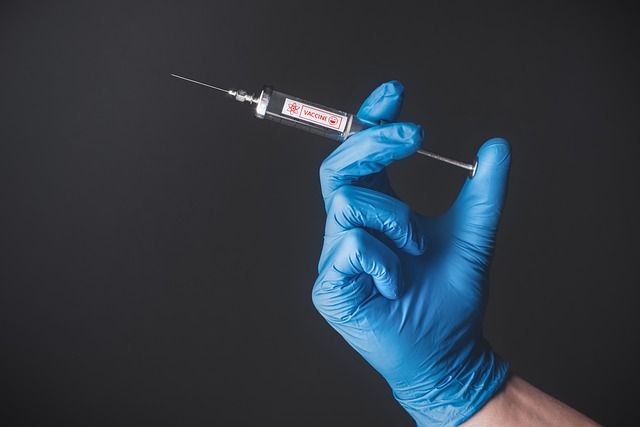
When disseminating vaccine information sheets in the UK, accuracy and clarity are paramount to ensure public understanding and compliance. The process of translating these critical documents involves meticulous attention to detail and expertise in both source and target languages. Firstly, the translation services for Vaccine Information Sheets UK must begin with a thorough review of the original content. This includes all text, data, medical terminology, and instructions present on the sheet. The chosen translation agency should have a team well-versed in healthcare communication and proficient in the languages required.
Upon completion of the initial review, the content is then translated into the target language. This step requires not only linguistic precision but also an understanding of cultural nuances that could affect meaning or interpretation. The translated text undergoes a series of checks to ensure terminological accuracy, consistency in phrasing, and compliance with any legal requirements for vaccine information materials. Medical professionals may be consulted during this phase to verify the correct use of medical terms and to confirm that the information is both accurate and appropriate for the intended audience.
Following these steps, the translation services then proceed to a review by proofreaders who are native speakers of the target language. This ensures that the translated sheet reads naturally and is culturally relevant. Any discrepancies or uncertainties are addressed, and revisions are made as necessary. Finally, the translated Vaccine Information Sheets are formatted to match the layout and design of the original document, ensuring visual consistency and ease of comprehension. This comprehensive approach to translating vaccine information sheets in the UK ensures that the information is communicated effectively across different languages and cultures, thereby supporting inclusive public health initiatives.
Case Study: Effective Translation of VIS in Multilingual Communities within the UK

In the wake of the global pandemic, the importance of clear and accurate translation of vaccine information sheets (VIS) within multilingual communities across the UK cannot be overstated. The successful rollout of vaccines hinges on the understanding of their benefits, potential side effects, and administration processes among all population groups. Translation services for Vaccine Information Sheets in the UK have proven to be a critical component in this endeavour. A case study of a local health authority’s initiative illustrates the effectiveness of these translation efforts. By employing professional translators who are not only proficient in the target language but also well-versed in medical terminology, the health authority ensured that the VIS were culturally and contextually appropriate for diverse communities. This approach facilitated effective communication and helped to dispel misinformation, thereby bolstering vaccine uptake rates among ethnic minority groups who traditionally face language and cultural barriers to healthcare information. The translation services, tailored to meet the needs of these multilingual communities, were instrumental in fostering trust and confidence in the vaccination programmes, ultimately contributing to the UK’s public health strategy during a critical period. The success of this initiative underscores the vital role that professional translation plays in public health responses and highlights the necessity for continued investment in such services within the UK’s multicultural landscape.
Best Practices for Translating Medical Documents to Enhance Public Trust and Comprehension
When it comes to translating vaccine information sheets in the UK, precision and reliability are paramount to ensure public trust and comprehension. Translation services for Vaccine Information Sheets (VIS) must employ best practices that reflect the complexity and urgency of medical content. These include hiring expert linguists with specialized knowledge in both medicine and the target language, ensuring terminology is consistent with health authority guidelines, and utilizing a rigorous review process. The choice of words must be clear and unambiguous to avoid misinterpretation, which could lead to mistrust among the public. Moreover, culturally sensitive translations are crucial; they should respect linguistic nuances and cultural contexts to maintain the integrity of the original message without oversimplifying or overcomplicating the content.
In the UK, where diversity is a hallmark of society, translation services for Vaccine Information Sheets must go beyond mere word-for-word conversion. They should incorporate feedback mechanisms from diverse communities to refine translations and adapt communications for different audiences. This approach not only fosters transparency but also empowers individuals from various linguistic backgrounds to make informed decisions about their health. By leveraging cutting-edge technology alongside human expertise, translation services can deliver accurate and accessible information that supports public health initiatives, thereby enhancing confidence in vaccine programs across the UK.
In concluding, the translation of Vaccine Information Sheets (VIS) in the UK is a critical task that demands precision, cultural sensitivity, and an understanding of legal and ethical standards. Utilizing professional translation services for VIS UK ensures that the information is accurately conveyed, facilitating informed decision-making among diverse populations. The challenges presented by linguistic diversity are surmountable with a combination of expert linguistic skills and in-depth medical knowledge. By adhering to best practices and employing a diligent process, these translations can significantly enhance public trust and comprehension. It is through such meticulous efforts that the health and safety of communities across the UK are safeguarded, making professional translation services indispensable in the realm of public health communication.