The UK has implemented specialized translation services to accurately convey the critical information contained within Vaccine Information Sheets (VIS) to its diverse population. These services are pivotal in ensuring that individuals with varying levels of language proficiency can understand complex vaccine details, including efficacy, side effects, and administration procedures, in their native languages. The translation process involves expert linguists who are not only fluent in both source and target languages but also have a comprehensive grasp of medical terminology. This ensures that the translations align with regulatory compliance and maintain the original intent and nuance, facilitating informed decision-making and positive public health outcomes. By providing VIS translations that are precise, culturally sensitive, and tailored to different ethnic groups within the UK, these translation services play a crucial role in fostering trust and encouraging widespread vaccine acceptance. This approach is instrumental in overcoming linguistic barriers and ensuring effective public health messaging regarding vaccines, with the aim of enhancing public health integrity and confidence in the UK's vaccine program.
navigating the complexities of public health communication, the precise translation of vaccine information assumes paramount importance. In the United Kingdom, where linguistic diversity is a hallmark, professional translation services play an indispensable role in ensuring that vaccine messaging is both accurate and accessible to all communities. This article delves into the critical aspects of translating vaccine information sheets, highlighting the challenges faced and the key components that must be conveyed effectively. By selecting a trusted provider of translation services for Vaccine Information Sheets UK, public health authorities can mitigate misinformation and foster informed consent among the populace. A case study illustrates the successful implementation of precise translation in vaccine communication within the UK’s multicultural landscape.
- Understanding the Importance of Precise Translation in Public Health
- The Role of Professional Translation Services in Vaccine Communication
- Challenges and Considerations for Translating Vaccine Information Sheets
- Key Components of Vaccine Information Sheets to Be Translated
- Selecting a Trusted Translation Service Provider for UK Vaccine Information
- Case Study: Effective Vaccine Communication Through Accurate Translation in the UK
Understanding the Importance of Precise Translation in Public Health
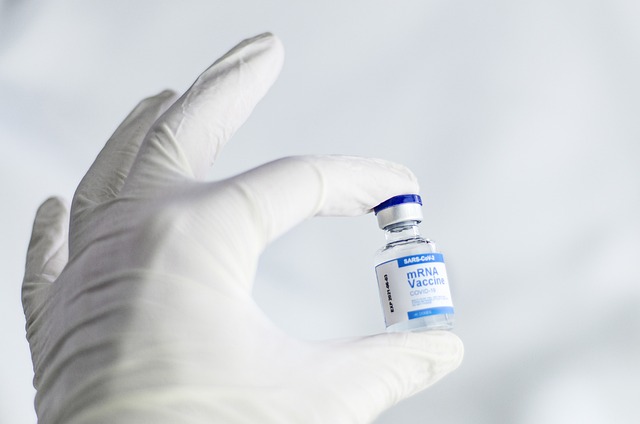
Accurate translation of vaccine information sheets is paramount in the UK’s diverse society to ensure that all individuals, regardless of language proficiency, receive precise health guidance. The gravity of this task cannot be overstated; minor missteps in translation can lead to critical misunderstandings about vaccine efficacy, side effects, and administration protocols. This is where specialized translation services for vaccine information sheets become indispensable. These services employ expert linguists who not only have a deep understanding of the source and target languages but are also well-versed in medical terminology. The translators must convey complex scientific concepts in a manner that maintains the original intent and nuance, all while adhering to regulatory standards. This is crucial as it affects public health outcomes by ensuring that vaccine information is accurately disseminated, thereby fostering informed decision-making among the population. By leveraging these translation services, the UK can bridge language barriers, enhance trust in vaccination programs, and ultimately protect the health of its citizens.
The Role of Professional Translation Services in Vaccine Communication
In the wake of the global pandemic, the dissemination of accurate and clear vaccine information has become paramount in public health communication. The UK’s diverse population requires information regarding vaccines to be accessible in multiple languages to ensure inclusivity and understanding across different communities. Professional translation services play a pivotal role in this process by providing precise translations of Vaccine Information Sheets (VIS) for UK use. These specialized services not only convert text from one language to another but also adapt the content to suit the cultural context and linguistic nuances specific to each target audience. This is crucial as it eliminates misinterpretation and miscommunication, ensuring that all individuals receive vaccine information tailored to their language proficiency. The fidelity of the translated content hinges on the expertise of professional translators who are not only adept at linguistic translation but also familiar with medical terminology. Their work ensures that the critical details provided in VIS, including side effects, dosage instructions, and administration protocols, are accurately conveyed in the recipient’s language. This level of precision is essential for fostering trust among the population and encouraging vaccine uptake across linguistic barriers within the UK.
Challenges and Considerations for Translating Vaccine Information Sheets

In the process of translating Vaccine Information Sheets (VIS) for use in the UK, translation services must navigate a complex array of challenges and considerations to ensure accuracy and clarity. The first challenge is the linguistic diversity within the UK, where multiple languages are spoken, necessitating translations that cater not only to non-native English speakers but also to those for whom British English may be a second dialect. This requires a deep understanding of both the source and target languages, as well as the cultural nuances inherent in each. Additionally, the scientific content within VIS must be accurately conveyed; technical terminology related to vaccine efficacy, side effects, and administration protocols must be rendered precisely to prevent misinterpretation or misinformation.
Furthermore, the dynamic nature of vaccine data necessitates that translation services for VIS in the UK are agile and responsive. As new information emerges regarding vaccines—including updates on safety, efficacy, and dosage recommendations—these changes must be promptly reflected in all translated materials to maintain public health integrity and trust. This requires a robust workflow that includes expert linguists, medical translators, and subject matter experts collaborating to produce translations that are both medically and culturally sensitive. The translation services for Vaccine Information Sheets UK must also comply with regulatory standards set forth by bodies such as the Medicines and Healthcare products Regulatory Agency (MHRA), ensuring that all translated content meets the highest legal and ethical standards.
Key Components of Vaccine Information Sheets to Be Translated

For effective communication and informed consent, translation services play a pivotal role in accurately conveying vaccine information sheets (VIS) to diverse linguistic groups within the UK. The VIS are critical documents that provide healthcare recipients with essential details about the vaccine’s benefits, risks, side effects, storage requirements, and administration procedures. When translating these sheets, it is imperative to maintain the original content’s medical accuracy, cultural relevance, and regulatory compliance.
The key components of VIS that require meticulous translation include the vaccine’s name, ingredients, purposes, common side effects, potential serious adverse events, signs of allergic reactions, storage conditions, handling requirements, and instructions for use. Additionally, translators must be adept at converting medical jargon into layman’s terms while preserving the nuances of the source language to ensure that the translation is both accessible and precise. Utilizing professional translation services for Vaccine Information Sheets UK ensures that these vital health documents are not only linguistically accurate but also effectively communicate the necessary information to protect public health and promote vaccine confidence among ethnically diverse populations.
Selecting a Trusted Translation Service Provider for UK Vaccine Information

When tasked with translating vaccine information sheets for the UK, selecting a trusted translation service provider is paramount to ensure accuracy and clarity across different languages. The translation of medical content, particularly related to vaccines, demands expertise not only in linguistics but also in the intricacies of healthcare terminology. A reliable provider will have native speakers with professional qualifications in healthcare translation, ensuring that the nuances of medical jargon are accurately conveyed. These professionals must be adept at working within the stringent guidelines set by regulatory bodies to maintain the integrity and meaning of the original text.
Moreover, the chosen service should possess a proven track record of handling sensitive documents with confidentiality and precision. They should offer translation services for vaccine information sheets in UK English that comply with both local and international standards. This includes adherence to the Good Practice Guidelines for Translation and Interpreting in the NHS, ensuring that the translated material is not only linguistically correct but also culturally appropriate. The provider’s ability to deliver high-quality translations swiftly and reliably will be crucial in supporting effective vaccine communication and uptake within diverse UK communities.
Case Study: Effective Vaccine Communication Through Accurate Translation in the UK
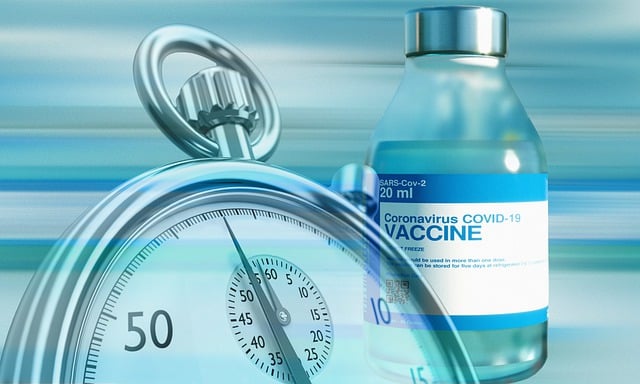
In the wake of the global pandemic, the dissemination of accurate vaccine information has become a paramount concern for health authorities worldwide. Within the UK, ensuring that vaccine information sheets are conveyed with precision is crucial for public trust and effective vaccination programs. The translation of these critical documents presents unique challenges, particularly in capturing the nuances of medical terminology and conveying the necessary safety information in a culturally appropriate manner. To address this, specialist translation services have been instrumental in adapting vaccine information sheets for UK use. These services employ expert linguists with specialized knowledge in both healthcare and the target language to provide translations that are not only accurate but also resonate with the local populace. This approach is exemplified by a recent case study where a leading translation service adapted vaccine information materials into multiple languages spoken across the UK, ensuring clarity and consistency in messaging. The outcome was a marked increase in vaccine uptake within communities where language barriers were previously significant obstacles.
The success of this initiative underscores the importance of considering linguistic diversity when communicating about health matters, particularly those as critical as vaccination. The translation services for Vaccine Information Sheets UK have demonstrated that precise and thoughtful translations can bridge gaps in information, foster understanding, and support informed decision-making by individuals from diverse language backgrounds. This not only enhances the efficacy of public health campaigns but also contributes to the broader goal of equitable healthcare access for all residents within the UK.
In concluding, the precise translation of vaccine information is a critical endeavour that underpins effective public health communication within the UK. As outlined in this article, professional translation services play an indispensable role in ensuring that Vaccine Information Sheets are accurately conveyed to diverse linguistic communities. The challenges and considerations involved in this process, as detailed, highlight the importance of a meticulous approach to select a trusted provider for translating services for Vaccine Information Sheets in the UK. A case study presented illustrates the successful outcomes achievable through precise translation, demonstrating its pivotal role in public health initiatives. Accurate communication is not just about conveying information; it’s about fostering trust and confidence among communities, ultimately safeguarding their health. It is clear that investing in high-quality translation services for Vaccine Information Sheets is an essential step towards equitable vaccine uptake and a safer UK.