The provision of translation services for Vaccine Information Sheets (VIS) in the UK is critical to ensure that multilingual communities receive accurate and culturally relevant information about vaccines. Specialized medical translators with expertise in both linguistic and health sciences are employed to convey complex scientific data into various languages, ensuring clarity and understanding among non-native speakers. These services not only translate but also adapt the content to respect cultural contexts and comply with legal standards such as GDPR and the Equality Act 2010. By investing in high-quality translation services for VIS UK, healthcare organizations can overcome language barriers, support informed consent, and enhance trust in vaccination programs, ultimately contributing to better health outcomes and equitable access to healthcare information across the nation. This approach demonstrates the importance of precise and inclusive communication in public health initiatives, setting a benchmark for other countries to follow.
Navigating the complexities of health communication, particularly in the realm of vaccination, is paramount for public trust and informed decision-making. In the UK, where linguistic diversity is a hallmark, the translation of Vaccine Information Sheets (VIS) into multiple languages becomes an essential task. This article delves into the critical role of professional translation services in ensuring that healthcare information is accurately conveyed to all members of society. We will explore the necessity for multilingual vaccine information sheets, the components that must be translated with precision, and the legal and ethical frameworks guiding this process. From the importance of cultural sensitivity to the impact of clear translations on vaccination rates, each aspect is examined to provide a comprehensive understanding of best practices in translating medical content. Additionally, we will highlight case studies and strategies for selecting reliable translation services, verifying credentials, and leveraging technology to streamline workflows. For stakeholders involved in the UK’s immunisation programme, this article serves as an indispensable guide to the nuances of professional translation services for VIS, ensuring that every individual receives information they can understand and trust.
- Understanding the Necessity of Multilingual Vaccine Information Sheets in the UK
- The Role of Professional Translation Services in Healthcare Communication
- Overview of Vaccine Information Sheets and Their Importance for Informed Consent
- Key Components of a Vaccine Information Sheet: What Needs to Be Translated?
- Legal and Ethical Considerations for Translating Vaccine Information Sheets in the UK
- Identifying Reliable Translation Services for Healthcare Documentation
- The Process of Translating Medical Content: Ensuring Accuracy and Clarity
- Cultural Sensitivity and Localization in Translating Vaccine Information for Diverse Communities
- The Impact of Clear Translation on Public Trust and Vaccination Rates
- Case Study: Successful Translation of Vaccine Information Sheets in the UK's Immunisation Programme
Understanding the Necessity of Multilingual Vaccine Information Sheets in the UK
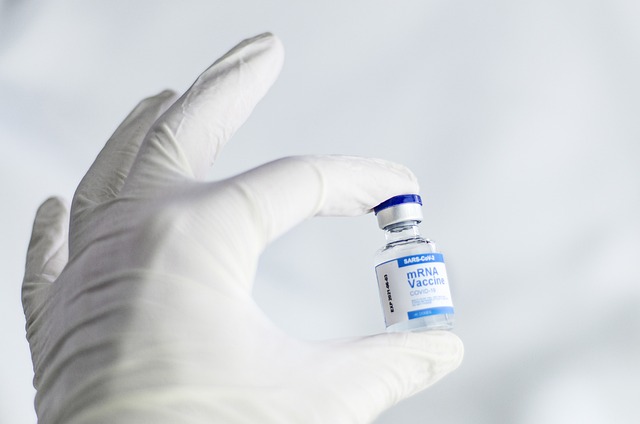
In the United Kingdom, where diversity is a hallmark of society, the provision of multilingual vaccine information sheets by translation services for Vaccine Information Sheets UK becomes an indispensable aspect of public health communication. The UK’s rich tapestry of cultures and languages necessitates that every individual, regardless of their mother tongue, can access clear and accurate information about vaccines. This ensures that all communities are well-informed about vaccine safety, efficacy, and side effects, thus enabling them to make informed decisions about their health. The translation services for Vaccine Information Sheets UK must be precise, capturing the nuances of medical terminology while reflecting cultural sensitivities. This is crucial in fostering trust and compliance with vaccination programmes across diverse populations, thereby supporting the collective effort to safeguard public health.
The role of professional translation services for Vaccine Information Sheets UK extends beyond mere linguistic transfer; it encompasses a responsibility to maintain the integrity of the information provided. In an era where misinformation can spread rapidly, accurate and accessible translations are paramount to dispelling doubts and myths surrounding vaccines. The effectiveness of any immunisation campaign hinges on the comprehension of the target audience, which is best achieved through reliable multilingual resources. Thus, investing in high-quality translation services for Vaccine Information Sheets UK not only upholds the principles of equality and inclusivity but also plays a critical role in the successful implementation of national health strategies.
The Role of Professional Translation Services in Healthcare Communication

In the realm of healthcare, clear and accurate communication is paramount, especially when it comes to informing the public about medical treatments such as vaccines. The role of professional translation services in this context is critical, as they ensure that Vaccine Information Sheets (VIS) are accurately conveyed to diverse populations within the UK. These documents, which outline the risks, benefits, and side effects of vaccines, are essential tools for healthcare providers. However, for non-English speakers or those who prefer other languages, these materials can be inaccessible without professional translation. Translation services for Vaccine Information Sheets UK bridge this gap by providing precise and culturally sensitive translations that maintain the integrity of the original content. This is not just a matter of linguistic transfer; it involves a deep understanding of medical terminology, regulatory requirements, and cultural nuances to guarantee that every individual, regardless of language proficiency, can make informed decisions about their health.
The provision of VIS in multiple languages through professional translation services is a step towards equitable healthcare. It helps to eliminate misunderstandings and misinformation, fostering trust between patients and healthcare providers. In the UK, where a significant proportion of the population speaks languages other than English at home, the availability of these translations is not just beneficial but essential. Professional translation services for Vaccine Information Sheets ensure that healthcare communication does not fall short due to language barriers, thereby upholding the principles of inclusivity and patient autonomy in the management of public health.
Overview of Vaccine Information Sheets and Their Importance for Informed Consent

Vaccine Information Sheets (VIS) are critical documents that provide recipients with detailed information about a particular vaccine’s benefits, risks, side effects, and administration process. These sheets serve as a cornerstone for informed consent, ensuring that individuals can make decisions about their vaccination based on clear, accurate, and comprehensible data. In the UK, where diversity in languages is prevalent, the importance of professional translation services for Vaccine Information Sheets cannot be overstated. Professionals who specialize in medical translation are crucial in adapting these documents into various languages, making them accessible to a broader range of individuals who may not be proficient in English. This inclusive approach is vital for upholding ethical standards and promoting transparency within healthcare settings. By leveraging the expertise of professional translation services for Vaccine Information Sheets UK, healthcare providers can bridge language barriers, fostering better communication and understanding among patients from different linguistic backgrounds. In turn, this enhances trust in vaccination programs and supports public health initiatives across the nation.
Key Components of a Vaccine Information Sheet: What Needs to Be Translated?
When healthcare providers aim to communicate effectively with diverse populations within the UK, translation services for Vaccine Information Sheets (VIS) play a pivotal role. A VIS provides crucial information about the vaccine’s purpose, potential side effects, storage requirements, and efficacy. To ensure that this vital health information is accurately conveyed to individuals who are not fluent in English, several key components must be translated: the vaccine’s scientific name, the common names of its ingredients, detailed descriptions of potential side effects, instructions for administration, and guidance on post-vaccination care. Professional translation services specializing in medical content can navigate the complexities of language to maintain the integrity and accuracy of this information across various languages, thereby enhancing patient comprehension and adherence to vaccination schedules. This precision in translation is not just a matter of linguistic skill but also one of cultural sensitivity, ensuring that idiomatic expressions and medical terminology are accurately represented in each target language. By leveraging the expertise of these translation services for Vaccine Information Sheets UK, healthcare providers can significantly improve vaccine uptake and public health outcomes among multilingual communities.
Legal and Ethical Considerations for Translating Vaccine Information Sheets in the UK

In the context of public health, the translation of vaccine information sheets in the UK is a task that necessitates a high degree of precision and cultural sensitivity. The legal obligations for translating such documents are stringent, as they must accurately convey critical information about vaccine safety, efficacy, and potential side effects to diverse linguistic communities. Translation services for Vaccine Information Sheets (VIS) in the UK must adhere to the General Data Protection Regulation (GDPR) and comply with the Equality Act 2010, ensuring that all individuals, regardless of language proficiency, have equitable access to healthcare information. This includes using professional translators who are not only linguistically adept but also knowledgeable in medical terminology and the nuances of vaccine-related communication.
Ethical considerations further underscore the importance of employing specialist translation services for Vaccine Information Sheets in the UK. Ethical practice requires that translations are faithful to the original content, avoiding any dilution or addition of information that could lead to misunderstandings or misinformed decisions. The ethical translator must also consider the cultural context of the target audience, ensuring that idiomatic expressions and medical jargon are appropriately explained or removed to prevent confusion. This commitment to ethical standards is paramount in fostering trust among communities and in public health campaigns, ultimately contributing to the successful uptake of vaccines across linguistically diverse populations within the UK.
Identifying Reliable Translation Services for Healthcare Documentation
When healthcare providers in the UK aim to communicate vaccine information effectively across diverse linguistic communities, securing a reliable translation service for Vaccine Information Sheets becomes paramount. The accuracy and cultural appropriateness of these translations are critical, as they directly influence patient understanding and decision-making regarding vaccination. A trusted translation service should specialize in healthcare documentation to ensure the terminology is medically accurate and culturally sensitive. It’s essential to verify the credentials of such services, including their certifications, client testimonials, and expertise in both source and target languages. For instance, professional translators who are native speakers and have a background in health sciences can offer nuanced translations that preserve the original meaning while being comprehensible to non-English speaking populations. Additionally, these services should adhere to data protection regulations, ensuring patient confidentiality is maintained throughout the translation process. By choosing a reputable translation service for Vaccine Information Sheets UK, healthcare organizations can foster clear and informed consent, enhancing public trust and health outcomes.
The Process of Translating Medical Content: Ensuring Accuracy and Clarity
When it comes to translating vaccine information sheets, precision and clarity are paramount. The process begins with selecting professional translation services that specialize in medical content, ensuring that translators have a deep understanding of both the source and target languages, as well as the complex terminology associated with vaccines. These experts work diligently to convey the nuances of scientific information accurately, paying close attention to medical jargon and safety guidelines that are critical for patient understanding and compliance. Each term must be carefully vetted against authoritative sources within the UK healthcare context to maintain the integrity of the information. This meticulous approach is essential to produce translations that are not only linguistically correct but also medically accurate, thereby empowering individuals from diverse linguistic backgrounds with clear, reliable vaccine information.
Furthermore, the translation process for vaccine information sheets in the UK must align with regulatory standards and legal requirements. Translation services must adhere to guidelines set forth by bodies such as the Medicines and Healthcare products Regulatory Agency (MHRA). This commitment to compliance ensures that translations do not just meet linguistic expectations but also comply with all statutory regulations, thereby safeguarding public health and fostering trust in vaccination programmes across different communities. The end goal is to facilitate informed decision-making by providing accurate vaccine information sheets that bridge language barriers without compromising on medical precision.
Cultural Sensitivity and Localization in Translating Vaccine Information for Diverse Communities

When disseminating vaccine information, cultural sensitivity and localization are paramount to ensure clarity and effectiveness in diverse communities. Professional translation services for Vaccine Information Sheets (VIS) in the UK must go beyond mere linguistic accuracy; they must reflect an understanding of the cultural contexts and nuances specific to each target audience. This involves not only translating text from English into a variety of languages but also adapting content to resonate with the cultural norms, values, and beliefs of the respective communities. The process demands a deep appreciation for both the source and target cultures, ensuring that the message conveyed maintains its integrity while being sensitive to cultural differences.
Localization experts play a crucial role in this endeavour by adapting visual elements, idioms, and examples within the VIS to be relevant and appropriate for the intended audience. This meticulous approach is essential to bridge gaps in understanding and to foster trust among communities who may have varying levels of familiarity with medical terminology or health systems. In the UK, where diversity is a hallmark of society, translation services that specialize in VIS offerings are instrumental in public health campaigns, enabling clear communication that empowers individuals to make informed decisions about their vaccination and healthcare needs.
The Impact of Clear Translation on Public Trust and Vaccination Rates
In the current global health landscape, the clarity and accuracy of translations for Vaccine Information Sheets (VIS) play a pivotal role in shaping public trust and influencing vaccination rates. Professional translation services for Vaccine Information Sheets UK are not just about linguistic precision; they are a cornerstone of effective vaccine communication strategies. When information is conveyed accurately in the language of the recipient, it reduces misunderstandings and misinformation, fostering confidence in the vaccine’s safety and efficacy. This is particularly critical in diverse communities where non-native speakers rely on translations to make informed decisions about their health. The UK’s multicultural population underscores the necessity for high-quality translation services that can adapt complex medical terminology into readily understandable language, thereby supporting equitable vaccine uptake and protecting public health.
The impact of clear and precise translations cannot be overstated. It ensures that the nuances of medical guidance are preserved across languages, facilitating consistent messaging that can bolster public trust in healthcare authorities. As trust increases, so too do vaccination rates, which is beneficial not only for individual health but also for achieving herd immunity and controlling disease outbreaks. Consequently, investing in top-tier translation services for Vaccine Information Sheets UK is an essential step towards overcoming language barriers and enhancing the effectiveness of public health initiatives. This investment not only safeguards public health but also demonstrates a commitment to inclusivity and equity in healthcare provision.
Case Study: Successful Translation of Vaccine Information Sheets in the UK's Immunisation Programme
The successful translation of Vaccine Information Sheets (VIS) in the UK’s Immunisation Programme has been a testament to the effectiveness of professional translation services. When the UK expanded its immunisation programme to include new vaccines, there was an immediate need for these critical documents to be made accessible in multiple languages to ensure clear communication with diverse communities. The challenge was significant, as it involved not only accurate linguistic translation but also the adaptation of content to comply with regional health regulations and cultural nuances. To address this, a dedicated team of medical translators and linguistic experts was assembled, ensuring that the translated VIS maintained the integrity of the original content while being culturally relevant to each target audience. This initiative not only facilitated informed consent among non-English speakers but also fostered trust in the vaccination programme across communities. The UK’s Immunisation Programme has since become a benchmark for other nations looking to implement similar translational strategies, underscoring the importance of accessible and inclusive vaccine information dissemination. This project exemplifies the critical role that translation services play in public health initiatives, particularly when it comes to Vaccine Information Sheets UK-wide.
In conclusion, the translation of vaccine information sheets into multiple languages is a critical component of effective healthcare communication within the UK. It ensures that individuals from diverse linguistic backgrounds can make informed decisions about their vaccination, thereby fostering public trust and potentially elevating vaccination rates. Utilizing professional translation services for vaccine information sheets in the UK is not just a legal and ethical obligation but also a strategic approach to enhancing the nation’s health outcomes. These translations must be accurate, clear, and culturally sensitive, reflecting the nuances of the target language while maintaining the integrity of the source content. As evidenced by successful case studies within the UK’s immunisation programme, the benefits of high-quality translation services for vaccine information sheets are manifold, contributing to a more inclusive and responsive healthcare system.