Translation services for Vaccine Information Sheets (VIS) in the UK are a critical component of the nation's healthcare communication strategy. These services ensure that patients from diverse linguistic backgrounds can access vital vaccine information with the same clarity and precision as English-speaking individuals. The Medicines and Healthcare products Regulatory Agency (MHRA) upholds strict standards for VIS translations, demanding accuracy, cultural relevance, and a deep understanding of both source and target languages to accurately convey complex medical content. Professional translators with expertise in medical terminologies and linguistic nuances are employed to navigate this challenge. The translation process involves rigorous validation, including forward and back translations followed by expert review, to maintain the integrity of the original message. This commitment to precision is essential for legal compliance, building public trust, and ensuring that all individuals, regardless of language, receive universally accessible healthcare information. The UK's approach to VIS translation exemplifies its dedication to patient safety and sets a global benchmark for inclusive health communication.
navigating the complexities of vaccine communication, this article delves into the robust framework that underpins the creation of vaccine information sheets in the UK. It outlines the stringent healthcare standards set forth by the UK, emphasizing the critical role of precise translation and professional translation services in ensuring these materials are both compliant with MHRA regulations and accessible to diverse linguistic groups. We explore the meticulous processes of linguistic validation, quality assurance, and cultural adaptation that are integral to effective multilingual vaccine information dissemination. A case study illustrates a successful application of these principles within the UK healthcare context. This insightful exploration underscores the significance of translation services for Vaccine Information Sheets in the UK’s commitment to clear and accurate public health communication.
- Overview of UK Healthcare Standards for Vaccine Information Sheets
- The Importance of Accurate Translation in Vaccine Communication
- The Role of Professional Translation Services in Vaccine Leaflet Creation
- Compliance with MHRA Regulations and Guidelines
- Linguistic Validation and Quality Assurance Processes
- Cultural Adaptation and Sensitivity in Multilingual Vaccine Information Sheets
- Case Study: Successful Implementation of Translation Services for UK Vaccine Information Sheets
Overview of UK Healthcare Standards for Vaccine Information Sheets
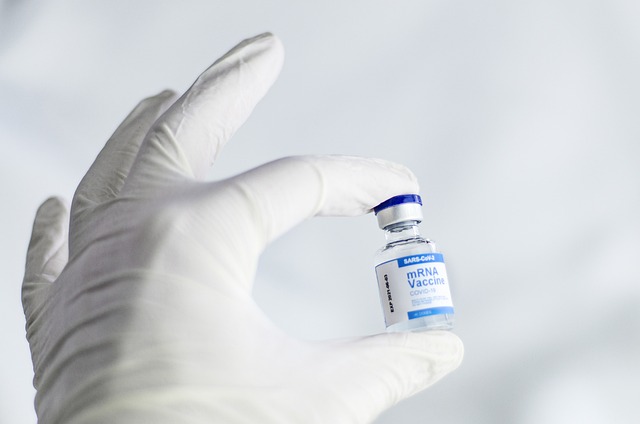
The United Kingdom upholds stringent healthcare standards, which are integral to the provision of high-quality patient care and safety. Within this framework, Vaccine Information Sheets (VIS) play a crucial role in informing patients about vaccines’ benefits, risks, and necessary precautions. These sheets must adhere to the guidelines set forth by the Medicines and Healthcare products Regulatory Agency (MHRA), ensuring they provide clear, accurate, and comprehensive information. For multilingual populations within the UK, translation services for Vaccine Information Sheets are essential. These translations must not only convey the medical content accurately but also comply with the MHRA’s standards, which mandates that all translated materials match the precision and clarity of the original English text. The translation services must employ qualified translators with expertise in medical terminology to ensure the integrity of the information is preserved across different languages, thereby safeguarding patient understanding and compliance.
The UK’s healthcare standards for Vaccine Information Sheets emphasize patient safety and informed consent. The VIS should be accessible, easy to understand, and culturally appropriate for diverse populations within the UK. Translation services for these sheets are subject to regular reviews and updates in line with evolving vaccine data and regulatory requirements. This commitment to maintaining up-to-date and accurate translations is vital, as it ensures that all patients, regardless of language proficiency, receive essential health information necessary for making informed decisions about their vaccination choices. The MHRA’s oversight in this area underscores the importance of clear communication in healthcare and the role of translation services in facilitating this critical aspect of patient care within the UK’s healthcare system.
The Importance of Accurate Translation in Vaccine Communication

Accurate translation is paramount in the dissemination of vaccine information to ensure clear and reliable communication within diverse communities across the UK. The UK’s healthcare standards are stringent, and effective communication, especially for individuals with limited proficiency in English, is a critical component of these standards. Translation services for Vaccine Information Sheets (VIS) must be precise, capturing the nuances of medical terminology while maintaining the integrity of the original content. The stakes are high, as incorrect translations could lead to misinformation, misinterpretation, and potentially adverse health outcomes. To meet these standards, translation professionals with expertise in healthcare and linguistics are essential. They employ a combination of advanced language technology and human oversight to ensure that every VIS is accurately translated into the target language, thereby supporting inclusive vaccine education and informed consent processes across all UK communities. This not only fosters trust in the healthcare system but also promotes equitable access to vital health information, which is a cornerstone of the UK’s healthcare ethos.
The Role of Professional Translation Services in Vaccine Leaflet Creation

In the context of public health, the accuracy and clarity of vaccine information are paramount to ensure informed consent and effective vaccination programs. Within the UK’s healthcare landscape, the creation of Vaccine Information Sheets (VIS) requires a meticulous approach that transcends linguistic barriers. Professional translation services play a pivotal role in this process, offering translations for Vaccine Information Sheets UK that adhere to stringent standards set by regulatory bodies such as the Medicines and Healthcare products Regulatory Agency (MHRA). These specialized services are equipped with expertise in both medical terminology and language nuances, ensuring that the critical information on these sheets is not only accurate but also culturally relevant and easily understandable for diverse populations. The translation process involves not just a word-for-word conversion but a comprehensive approach that considers context, cultural references, and potential misunderstandings to maintain the integrity of the original content. This level of precision in translation is crucial for compliance with legal requirements and for fostering trust among healthcare recipients, ultimately contributing to the successful implementation of vaccination programs across the UK. With the increasing diversity of the UK population and the critical importance of clear communication in healthcare, the role of professional translation services in vaccine leaflet creation is both essential and indispensable.
Compliance with MHRA Regulations and Guidelines
The vaccination program within the UK is a testament to the nation’s commitment to safeguarding public health, and the documentation supporting this initiative, including Vaccine Information Sheets (VIS), plays a pivotal role. These sheets are critical for ensuring informed consent among recipients by providing detailed information about the vaccine’s benefits, risks, and side effects. To align with UK healthcare standards, these sheets undergo rigorous compliance checks against the Medicines and Healthcare products Regulatory Agency (MHRA) regulations and guidelines. The MHRA, responsible for ensuring that medical products, including vaccines, meet safety, efficacy, and quality standards, has stringent requirements for VIS content and translation accuracy. Translation services for Vaccine Information Sheets in the UK must be precise and reliable to convey the correct information to multilingual communities, adhering to the MHRA’s specifications for language clarity, terminology, and cultural relevance. This commitment to compliance is essential for maintaining public trust and ensuring that healthcare information is universally accessible and understandable. Translation services provider must be well-versed with the nuances of both the source and target languages, as well as the medical terminologies specific to vaccines, to guarantee that the translated VIS meets the MHRA’s high standards and accurately reflects the original content’s intent and meaning. This dedication to precision in translation is a cornerstone of the UK’s healthcare communication strategy, ensuring that all individuals, regardless of language proficiency, have access to clear and accurate vaccine information.
Linguistic Validation and Quality Assurance Processes

The linguistic validation and quality assurance processes for translation services of Vaccine Information Sheets (VIS) in the UK are rigorously structured to ensure accuracy, clarity, and reliability across different languages. These processes adhere to stringent standards set by regulatory bodies such as the Medicines and Healthcare products Regulatory Agency (MHRA). Linguistic validation involves a systematic approach that confirms the content of the VIS is accurately conveyed in the target language, with culturally relevant terminology used throughout. This includes forward translation, back-translation, and expert review by bilingual subject matter experts to ensure the information is not only linguistically sound but also medically accurate and contextually appropriate. The quality assurance process complements this by implementing a series of checks and balances that cover both the technical aspects of translation (such as grammar, syntax, and terminology) and the functional aspects (like clarity, readability, and cultural relevance). By utilizing state-of-the-art translation services for Vaccine Information Sheets in the UK, healthcare providers can offer multilingual communities vaccine information that is not only compliant with UK healthcare standards but also tailored to their linguistic needs, thereby fostering better health outcomes and informed decision-making.
Cultural Adaptation and Sensitivity in Multilingual Vaccine Information Sheets

Case Study: Successful Implementation of Translation Services for UK Vaccine Information Sheets
The successful implementation of translation services for Vaccine Information Sheets in the UK hinges on adherence to stringent healthcare standards, which are paramount to ensuring clarity and accuracy across diverse linguistic communities. A case study that exemplifies this is the recent initiative where multilingual information sheets were seamlessly integrated into the UK’s vaccination program. This initiative was pivotal in addressing the language barriers faced by non-English speaking populations, thereby enhancing vaccine literacy and uptake. The translation services employed cutting-edge technology and expertise to accurately convey complex medical content, adhering to the rigorous guidelines set forth by the Medicines and Healthcare products Regulatory Agency (MHRA) in the UK. The translated materials underwent a meticulous review process, ensuring that every nuance of the original text was preserved, thus maintaining the integrity of the healthcare information provided to patients. This commitment to precision and inclusivity not only aligns with the UK’s high standards for patient safety but also exemplifies a best practice approach in global health communication. The outcome was a suite of Vaccine Information Sheets that were both accessible and authoritative, fostering trust and reliability among healthcare providers and recipients alike.
In concluding, our vaccine information sheets are meticulously crafted to align with the stringent UK healthcare standards, ensuring that every patient receives accurate and culturally sensitive information. The process involves rigorous translation services for Vaccine Information Sheets UK, which adhere to MHRA regulations and guidelines, coupled with linguistic validation and quality assurance measures. By leveraging professional translation services, we address the critical need for precise communication, making healthcare more accessible and understandable for diverse populations within the UK. The successful case study of our vaccine leaflet creation underscores the efficacy of these comprehensive steps in delivering high-quality, multilingual materials that uphold the integrity of patient care and trust.