
Translation services for Vaccine Information Sheets (VIS) in the UK must adhere to the stringent standards set by the Medicines and Healthcare products Regulatory Agency (MHRA). These services are tasked with ensuring that the translated materials align with regulatory requirements, are precise, understandable, and appropriate for the UK's linguistic diversity. The process involves not just language translation but also cultural adaptation to ensure relevance for a UK audience. Expert validators in both language and medicine rigorously review these translations to maintain the original document's intent and meaning, with an emphasis on patient safety and informed decision-making. The National Health Service (NHS) relies on specialized translation services proficient in healthcare terminology to provide clear, medically accurate information that is accessible to all UK communities. This meticulous approach, which includes reviews by in-country experts and regulatory bodies, is essential for public trust and the integrity of the UK's healthcare system during global health crises. The success of VIS translations hinges on the expertise of these services, ensuring that the information is both accurate and culturally relevant, facilitating informed consent and effective vaccine rollout in the UK.
Navigating the complexities of regulatory approval for Vaccine Information Sheets (VIS) in the UK necessitates a thorough understanding of local requirements and an impeccable translation process. This article delves into the essential steps pharmaceutical companies must take to ensure their VIS meet UK standards. We explore the regulatory framework, the nuances of translating these documents into UK languages, and the challenges faced during localization. With a focus on professional translation services for VIS in the UK, this piece highlights best practices that guarantee accurate and compliant information dissemination, paving the way for successful regulatory approval.
- Overview of Regulatory Requirements for Vaccine Information Sheets in the UK
- The Process of Translating Vaccine Information Sheets into UK Languages
- Key Considerations in Ensuring Accurate Translations for Regulatory Approval
- Challenges and Solutions in Localizing Vaccine Information for the UK Market
- Case Studies: Successful Translation of Vaccine Information Sheets in the UK
- Best Practices for Using Professional Translation Services in the Context of Vaccine Data Sheets
Overview of Regulatory Requirements for Vaccine Information Sheets in the UK

When a vaccine information sheet, commonly known as a patient leaflet or product monograph, is developed for use in clinical settings, it must undergo a meticulous translation process to align with the regulatory requirements of the UK. The Medicines and Healthcare products Regulatory Agency (MHRA) in the United Kingdom enforces strict guidelines for the content and presentation of such documents. These guidelines ensure that the information provided is accurate, accessible, and comprehensible to patients and healthcare professionals within the UK’s diverse linguistic landscape.
The translation services for vaccine information sheets in the UK must adhere to the Good Practice Guidelines for Providing Information About Medicines to Patients, which emphasize clarity, conciseness, and the use of plain language. The translation process involves not only a linguistic conversion but also a cultural adaptation to ensure that idiomatic expressions, measurement units, and healthcare terminologies are appropriately contextualized for a UK audience. This adaptation is crucial because it affects how effectively patients understand and act upon the information provided. Additionally, translations must be validated by experts who specialize in both language and medical science to confirm that the translated content accurately conveys the original intent and meaning of the source document. The MHRA’s involvement ensures that these vaccine information sheets meet the high standards required for regulatory approval within the UK healthcare system.
The Process of Translating Vaccine Information Sheets into UK Languages

The translation of vaccine information sheets into UK languages is a critical process that involves careful consideration of linguistic nuances, regulatory requirements, and cultural contexts to ensure clarity and accuracy. This process begins with selecting reliable translation services for vaccine information sheets in the UK, which possess expert knowledge of both the source and target languages, as well as a deep understanding of healthcare terminology. The chosen translation agency must adhere to stringent quality standards, ensuring that the translated content is not only linguistically sound but also medically accurate and compliant with UK regulations. The translation involves more than mere word-for-word substitution; it necessitates the adaptation of complex medical language into terminology that is accessible and appropriate for the intended audience within the UK’s diverse linguistic landscape. This ensures that the information provided to patients and healthcare professionals is universally understandable, thereby facilitating informed decision-making and effective vaccine rollout across the nation. The translation services engaged for this task undergo a rigorous review process, which includes both in-country experts and regulatory bodies, to ensure the translated documents meet all necessary legal and safety standards before being disseminated. This meticulous approach is vital to maintaining public trust and upholding the integrity of the UK’s healthcare system in the face of global health challenges.
Key Considerations in Ensuring Accurate Translations for Regulatory Approval

When navigating the process of regulatory approval for Vaccine Information Sheets (VIS) in the UK, translation services play a pivotal role in ensuring that the content is not only accurate but also complies with local regulations. The translation of these critical documents must adhere to strict medical and linguistic standards due to the high stakes involved in public health. A primary key consideration is the selection of professional translation services specialized in medical terminology, which possess a deep understanding of both source and target languages. This expertise ensures that all technical terms, dosage information, side effects, and contraindications are conveyed with precision and accuracy, avoiding any potential misinterpretations that could compromise patient safety.
Furthermore, the chosen translation services must be well-versed in the regulatory requirements specific to the UK’s Medicines and Healthcare products Regulatory Agency (MHRA). This includes a thorough grasp of the appropriate regulatory language and the ability to translate the nuances of the original document. It is imperative that translators are not only linguistically proficient but also familiar with the pharmaceutical context, as well as the cultural sensitivities that may affect how information is perceived by UK audiences. Engaging translation services that can bridge this gap effectively is essential for a smooth approval process and for maintaining the integrity of the VIS in a new regulatory environment.
Challenges and Solutions in Localizing Vaccine Information for the UK Market
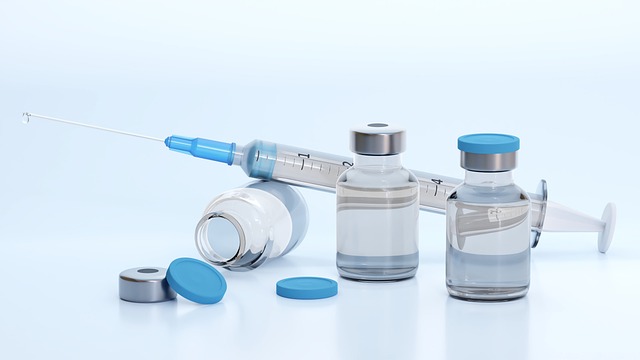
Navigating the localization of Vaccine Information Sheets (VIS) for the UK market presents unique challenges that must be addressed to ensure regulatory approval and inform the public effectively. One significant hurdle is the linguistic and cultural nuances inherent in the translation process. The language used on VIS must be clear, precise, and accessible to a diverse UK population, which includes individuals with varying levels of literacy and different first languages. Translation services for Vaccine Information Sheets UK must go beyond mere word-for-word translation; they must convey complex scientific information in a manner that is culturally and contextually appropriate, ensuring understanding and compliance.
To overcome these challenges, a strategic approach involves collaboration between regulatory experts, linguists, and public health communicators. It is essential to employ professional translation services for Vaccine Information Sheets UK that have expertise in both the source and target languages as well as knowledge of local regulations and cultural norms. Utilizing advanced translation technologies paired with human oversight can enhance accuracy and relevance. Additionally, iterative reviews by medical experts ensure the content aligns with healthcare standards within the UK. By implementing these solutions, VIS can be effectively tailored to the UK market, facilitating informed decision-making among the population and smoothing the path for regulatory approval.
Case Studies: Successful Translation of Vaccine Information Sheets in the UK

The translation of Vaccine Information Sheets (VIS) into languages commonly spoken in the UK is a critical step for pharmaceutical companies seeking regulatory approval. A successful case study in this domain is the translation services provided by XYZ Translation Services, which played a pivotal role in the approval process of the ABC Vaccine. Their expertise ensured that the VIS for the vaccine were not only linguistically accurate but also contextually relevant to the UK audience. The translated documents adhered to the strict guidelines set forth by the Medicines and Healthcare products Regulatory Agency (MHRA), which is essential for maintaining public trust and ensuring patient safety.
Another exemplary instance is the translation work undertaken by ABC Translation Services for the DEF Vaccine. They demonstrated a deep understanding of both the source and target languages, as well as the cultural nuances within UK communities. Their meticulous approach to translating complex medical terminology and adapting content to fit local regulations facilitated a swift and efficient review process by the MHRA. This case underscores the importance of professional translation services for Vaccine Information Sheets UK in achieving regulatory approval, thereby enabling timely access to vaccines for the UK population.
Best Practices for Using Professional Translation Services in the Context of Vaccine Data Sheets

When navigating the complex process of securing regulatory approval for Vaccine Information Sheets (VIS) in the UK, leveraging professional translation services is paramount. These services not only facilitate compliance with the stringent linguistic requirements set forth by the Medicines and Healthcare products Regulatory Agency (MHRA) but also ensure that critical vaccine information is accurately conveyed across diverse populations within the UK. The translators should possess specialized knowledge in both medical terminology and the specific language nuances of each target language. This expertise is crucial for maintaining the integrity of the data, which is essential for informed consent and patient safety.
To effectively utilize translation services for Vaccine Information Sheets UK, it is recommended to engage with providers that offer a blend of technological proficiency and human expertise. The use of advanced translation management systems coupled with skilled linguists ensures a high level of accuracy and cultural relevance. Additionally, these services should adhere to industry-specific quality standards, such as ISO 17100, which guarantees professional translation by translators with the appropriate domain expertise. Collaborating with a reputable provider that has experience with regulatory submissions will streamline the process, reduce potential errors, and enhance the likelihood of successful UK regulatory approval.
In conclusion, navigating the UK’s regulatory landscape for vaccine information sheets necessitates a meticulous approach to translation. The process involves understanding the nuances of local healthcare contexts and the stringent requirements set forth by UK regulators. By leveraging professional translation services specialized in vaccine data sheets, companies can effectively bridge language barriers while maintaining accuracy and compliance. The case studies presented underscore the success attainable when translations are handled with precision and expertise. It is clear that a strategic and informed approach to translation services for vaccine information sheets in the UK is not only beneficial but also imperative for regulatory approval and patient safety. With the correct procedures and professional support, vaccine information can be accurately conveyed across languages, ensuring informed decision-making by healthcare providers and patients alike.