Translation services for Vaccine Information Sheets (VIS) in the UK must be precise and culturally sensitive to ensure accuracy and regulatory compliance. This process involves expert translators with a strong grasp of medical terminology and cultural nuances, who work alongside subject matter experts well-versed in both languages and the MHRA guidelines. A collaborative effort that includes advanced translation technologies and localization specialists is crucial for tailoring content to diverse populations within the UK, ensuring that VIS are not only linguistically accurate but also culturally resonant. This meticulous approach helps healthcare recipients make informed decisions and supports healthcare providers across various linguistic communities by providing multilingual VIS that are both precise and compliant with UK regulations.
Navigating the complexities of vaccine information dissemination, this article delves into the critical aspects of ensuring UK regulatory compliance in multilingual communications. The UK’s stringent regulatory framework, overseen by the Medicines and Healthcare products Regulatory Agency (MHRA), necessitates precise and clear translations for Vaccine Information Sheets (VIS) to reach a diverse populace effectively. We explore the essential considerations for translation services within this context, emphasizing accuracy, cultural relevance, and compliance adherence. By examining key steps and localization strategies, this piece aims to guide healthcare providers and translators in delivering information that is both understandable and MHRA-approved.
- Overview of UK Regulatory Framework for Vaccine Information Sheets
- Identifying the Target Audience for Vaccine Sheet Translations in the UK
- The Importance of Accurate Translation in Public Health Communication
- Key Steps to Ensure Compliance with MHRA Guidelines in Translations
- Choosing the Right Translation Services for Vaccine Information Sheets
- Cultural Considerations and Localization Strategies in Translations
- Case Study: Successful UK Regulatory Compliant Translation of a Vaccine Information Sheet
Overview of UK Regulatory Framework for Vaccine Information Sheets
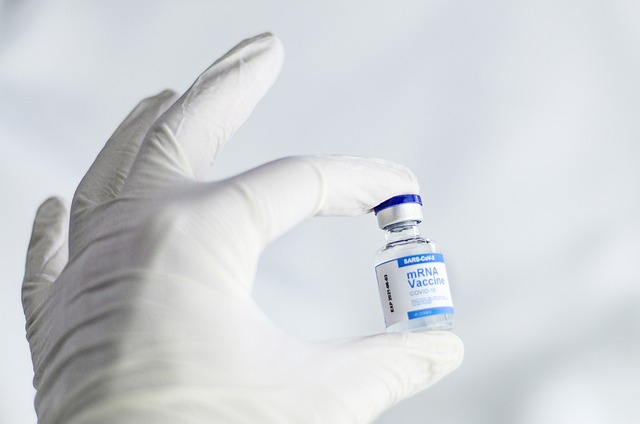
Navigating the UK’s regulatory framework for vaccine information sheets necessitates a thorough understanding of the relevant guidelines and standards set forth by the Medicines and Healthcare products Regulatory Agency (MHRA). The MHRA is responsible for ensuring that vaccine information sheets, also known as patient leaflets, meet the stringent requirements for clarity, accuracy, and accessibility. These documents are critical for informing patients about vaccine benefits, risks, side effects, and proper administration, thereby facilitating informed decision-making. Translation services for vaccine information sheets in the UK must be precise and accurate to comply with legal obligations. The translations must reflect the source content’s intent and convey all necessary information without ambiguity. This is crucial as the information must be understandable to a layperson in their native language, which often requires culturally sensitive adaptations of terminology and phrasing.
In addition to adhering to MHRA guidelines, translation services for vaccine information sheets must also consider the EU’s regulations, given the UK’s proximity to the European market. The translations should align with the EU’s Good Practice Guidelines on the translation of regulatory documents. This ensures that multinational pharmaceutical companies can distribute their vaccines and associated information across borders without legal or communicative barriers. The process involves not only converting text into various languages but also ensuring that the translated content is consistent with the original and adheres to the target language’s regulatory standards, which may differ in nuance from those of the UK or the source language. Thus, professional translation services play a pivotal role in bridging linguistic and cultural divides while maintaining regulatory compliance for vaccine information sheets in the UK.
Identifying the Target Audience for Vaccine Sheet Translations in the UK

When translating Vaccine Information Sheets for use in the UK, it is imperative to identify and understand the target audience to ensure clear, accurate, and compliant communication. The UK’s diverse population necessitates translations that cater to various linguistic groups, including but not limited to ethnic minorities and non-English speakers. Translation services for Vaccine Information Sheets in the UK must consider not only the languages spoken by these individuals but also the cultural nuances and regional dialects that may influence comprehension and interpretation.
Healthcare providers across the UK are tasked with disseminating vaccine information to a broad demographic, which includes both the elderly and younger populations, as well as individuals with varying levels of health literacy. To effectively reach these groups, translation services must employ skilled linguists who specialize in medical terminology and regulatory compliance. By ensuring that Vaccine Information Sheets are accurately translated into the relevant languages and are culturally appropriate, translation services play a pivotal role in public health initiatives, enabling informed decision-making by all members of society within the UK’s multicultural landscape.
The Importance of Accurate Translation in Public Health Communication

In the context of public health, especially during a pandemic or the rollout of new vaccines, the translation of vaccine information sheets is paramount to ensure clarity and understanding across diverse linguistic communities within the UK. Accurate translations of these critical documents by professional translation services for Vaccine Information Sheets UK are essential to convey precise and trustworthy information about vaccine safety, efficacy, side effects, and administration. Misinterpretation or miscommunication due to poor translation can lead to vaccine hesitancy and undermine public confidence in healthcare interventions. Thus, it is imperative to employ translation services that specialize in medical content to ensure terminological precision and cultural appropriateness in all translated materials. This not only aids in informed decision-making by the recipients but also upholds the integrity of the UK’s healthcare communication strategy.
The UK’s diverse population necessitates translations that are not only linguistically correct but also sensitive to cultural nuances. Utilizing expert translation services for Vaccine Information Sheets UK is a critical step in this process, as it ensures that the translated content aligns with the original text in terms of meaning and intent. These services employ multilingual experts who are well-versed in both language and the medical field, guaranteeing that the vital information conveyed to different linguistic groups within the UK is accurate and reliable. This commitment to clear and precise communication is crucial for successful public health campaigns and for maintaining trust between healthcare providers and patients from various cultural backgrounds.
Key Steps to Ensure Compliance with MHRA Guidelines in Translations
When translating Vaccine Information Sheets (VIS) for use in the UK, adherence to the Medicines and Healthcare products Regulatory Agency (MHRA) guidelines is paramount. To ensure compliance with these stringent regulations, translation services must follow a systematic approach. The first step involves selecting translators who are not only linguistically proficient but also medically knowledgeable, ensuring that all scientific terms and medical jargon are accurately conveyed. These professionals should be well-versed in the specific language pairs required for the target audience, as well as the cultural nuances that may affect translation accuracy.
The second key step is to implement a robust quality assurance process. This encompasses a thorough review of the translated VIS by subject matter experts who understand both the source and target languages, as well as the regulatory context. Such experts check for linguistic accuracy, clarity of information, and compliance with MHRA guidelines, including the correct use of terminology and the inclusion of all necessary safety and efficacy data. Additionally, translators must use up-to-date reference materials and maintain a clear record of their sources to facilitate verification by regulatory bodies. By following these steps, translation services for Vaccine Information Sheets in the UK can ensure that translated materials are not only accurate but also fully compliant with MHRA regulations, thereby safeguarding public health and legal adherence.
Choosing the Right Translation Services for Vaccine Information Sheets
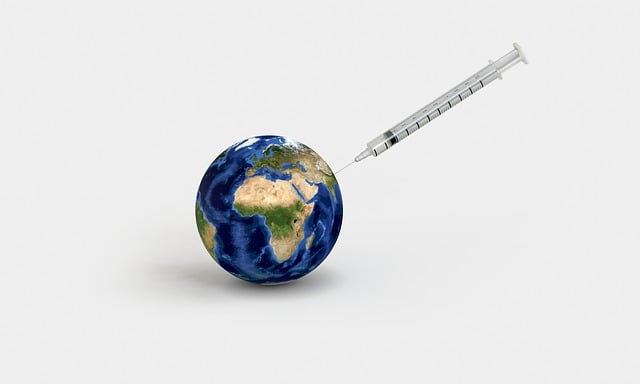
When translating Vaccine Information Sheets (VIS) in the UK, selecting the right translation services is paramount to ensure clarity, accuracy, and regulatory compliance. Organisations must work with translation providers that have a proven track record in the medical field and a deep understanding of the local language nuances, as well as the stringent requirements set forth by the Medicines and Healthcare products Regulatory Agency (MHRA) and the European Medicines Agency (EMA). These providers should possess specialized linguistic skills and expertise to translate complex scientific terminology accurately. It is essential to choose translators who are not only native speakers but also have industry-specific qualifications, such as certifications in medical translation or translation services for Vaccine Information Sheets UK. This ensures that the translated content aligns with both the source document’s intent and the target audience’s language proficiency, thereby maintaining the integrity of the vaccine information and facilitating informed decision-making by healthcare providers and recipients. Additionally, these translation services should be equipped to handle the urgency often associated with vaccine rollouts, offering swift turnaround times without compromising on quality or attention to detail. By adhering to these criteria, healthcare organisations can confidently rely on their chosen translation partners to meet regulatory compliance while effectively communicating critical vaccine information across diverse linguistic communities within the UK.
Cultural Considerations and Localization Strategies in Translations
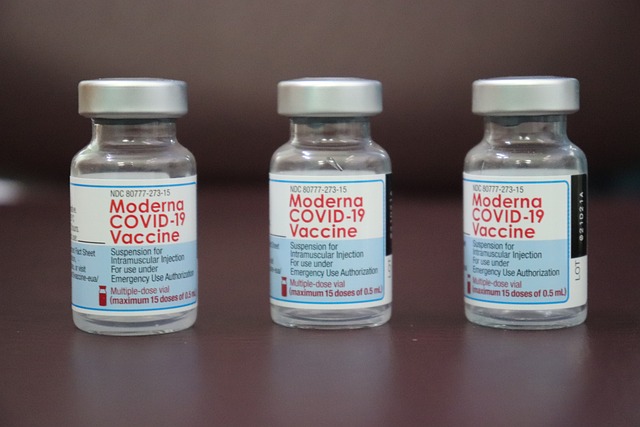
When translating Vaccine Information Sheets (VIS) in the UK, cultural considerations are paramount to ensure clear communication and compliance with local regulations. Translation services for Vaccine Information Sheets UK must account for linguistic nuances that resonate with diverse populations while maintaining accuracy. This involves more than just word-for-word translation; it requires a deep understanding of the cultural context, including idiomatic expressions, social norms, and values that may influence how information is perceived and interpreted. Localization strategies are essential to adapt the content so that it aligns with the target audience’s expectations and complies with local legal requirements. This process goes beyond translation by considering cultural connotations, visual elements, and terminology specificity, ensuring that the translated VIS retains its intended meaning and is effectively understood by the recipients.
Effective localization strategies for Vaccine Information Sheets UK involve a collaborative approach between subject matter experts, linguists, and regulatory consultants. These professionals work cohesively to ensure that every aspect of the translation process is tailored to meet the specific needs of the target audience. This includes not only the language but also the layout, design, and presentation of the information. By employing advanced translation technologies and leveraging the expertise of localization specialists, translation services can deliver Vaccine Information Sheets that are both linguistically accurate and culturally appropriate, thereby facilitating informed decision-making by healthcare recipients across different regions within the UK.
Case Study: Successful UK Regulatory Compliant Translation of a Vaccine Information Sheet

In the UK, the translation of vaccine information sheets is a critical task that requires not only linguistic precision but also adherence to stringent regulatory standards. A leading pharmaceutical company faced the challenge of disseminating vaccine information sheets in multiple languages while ensuring compliance with the Medicines and Healthcare products Regulatory Agency (MHRA) guidelines. To address this, the company engaged a specialized translation services provider with expertise in Vaccine Information Sheets UK regulatory compliance. The chosen provider had a robust process that involved translators who were not only native speakers but also medically trained professionals familiar with the specific language nuances and healthcare regulations. This ensured that the translated information sheets accurately conveyed the necessary safety, side effect, and efficacy data in line with the MHRA’s expectations. The provider utilized advanced translation technology combined with human expertise to maintain consistency across all translations, ensuring that the content remained faithful to the original English version while complying with UK regulations. This strategic approach allowed the company to successfully distribute multilingual vaccine information sheets without compromising on accuracy or regulatory compliance, thus safeguarding patient safety and facilitating informed decision-making by diverse populations within the UK. The successful translation of these critical documents underscored the importance of partnering with translation services providers who understand both the linguistic and regulatory intricacies involved in such endeavors.
In concluding, adherence to the UK’s regulatory framework is paramount when translating vaccine information sheets to ensure clarity and safety for all individuals within the United Kingdom. The article outlines a comprehensive approach that encompasses identifying the target demographic, understanding the critical role of precise translation in public health communication, and following the guidelines set forth by the Medicines and Healthcare products Regulatory Agency (MHRA). By utilizing specialized translation services for vaccine information sheets UK, organizations can navigate the intricacies of localization and cultural nuances, thereby providing accurate and compliant translations that resonate with diverse populations. The case study presented exemplifies the successful implementation of these strategies, highlighting the importance of rigorous compliance in this critical field. It is through such diligent efforts that the UK maintains its high standards for vaccine information dissemination and public health protection.